

Overview of the Closing of the 31st STVF
Magnolia Awards, A Global Stage for Stories. On June 26, the 31st Shanghai TV Festival (STVF) came to a successful close.
As one of Asia’s premier international audiovisual exchange platforms, the Magnolia Awards have carried their legacy forward for four decades. This year’s festival has taken the Magnolia Awards as its benchmark, promoting quality-driven development across long-form, mid-form, and short-form content, while broadening the horizons of global audiovisual exchange through an international lens. It ventured boldly into the micro-drama frontier, celebrating quality creative works and sharpening craft through technology. Bringing together voices from across the industry, it made outstanding works into a shared conversation that transcended borders and deepened mutual understanding among civilizations. And, year after year, it brought quality screen culture into the daily lives of citizens, blending culture, commerce, tourism, sports, and exhibitions into vibrant new business formats. The 31st edition struck a rare balance between professional rigor and public engagement. It charted a clear course for Chinese storytelling on the screen, opened its arms to the world, and helped write a new and brilliant chapter for the global audiovisual arts.
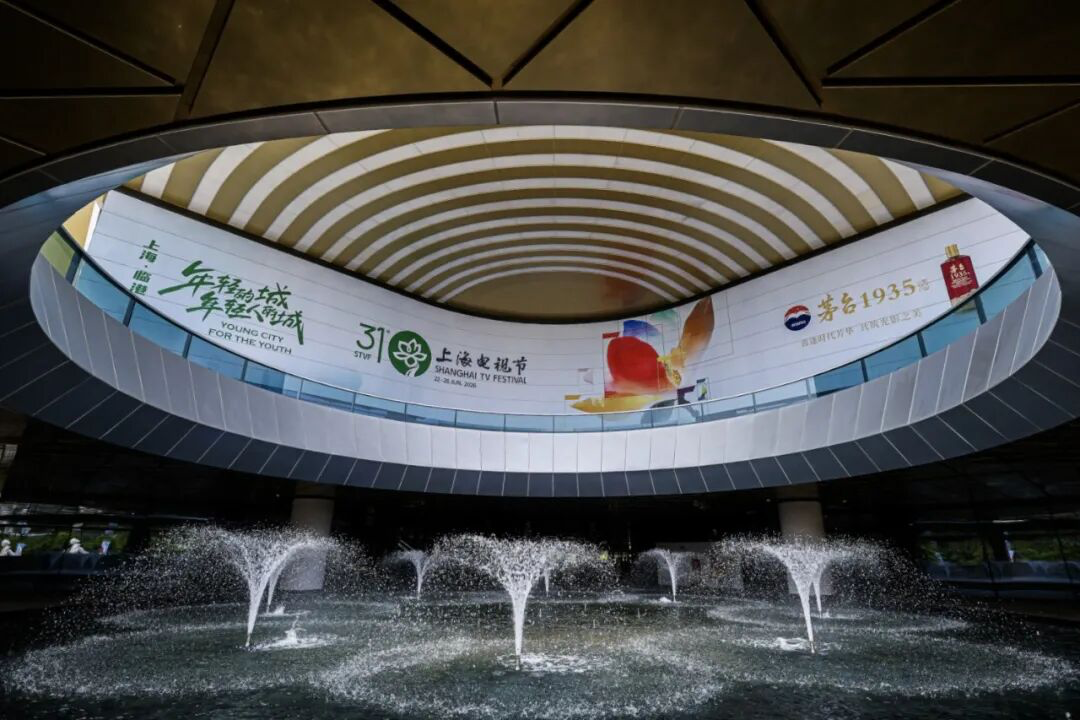
Setting New Standards for New Heights
The Magnolia Awards Champion Creative Craftsmanship with a Commitment to Tradition and Innovation
Looking across the selection process of this year’s Magnolia Awards, the international scope of the awards has expanded by leaps and bounds, with both industry coverage and global influence reaching unprecedented levels.
This year’s festival adopted a large-scale global call for entries, drawing submissions from 60 countries and regions across five continents, a 39.5% increase over the previous edition’s 43. Over a thousand high-quality works were received in total, with particularly notable growth in submissions from Asia and South America, which emerged as the highlight in this year’s entry pool. Zooming in on the TV Drama (Foreign) category, the number of foreign TV drama entries rose steadily, climbing from 142 in 2025 to 184 this year, while the number of participating countries expanded from 28 to 37.
Beyond the continued active participation of Europe’s established screen powerhouses, a growing number of countries have also joined the competition with quality works of their own, including Egypt, Bosnia and Herzegovina, Pakistan, Brazil, Kazakhstan, Malaysia, Saudi Arabia, Thailand, and Vietnam. The once Europe-centric landscape of submissions has now given way to a richer and more balanced mix, bringing together strong participation from Europe, Asia, the Middle East, and South America alike. This shift speaks volumes about the Magnolia Awards’ growing global reach and international prestige.
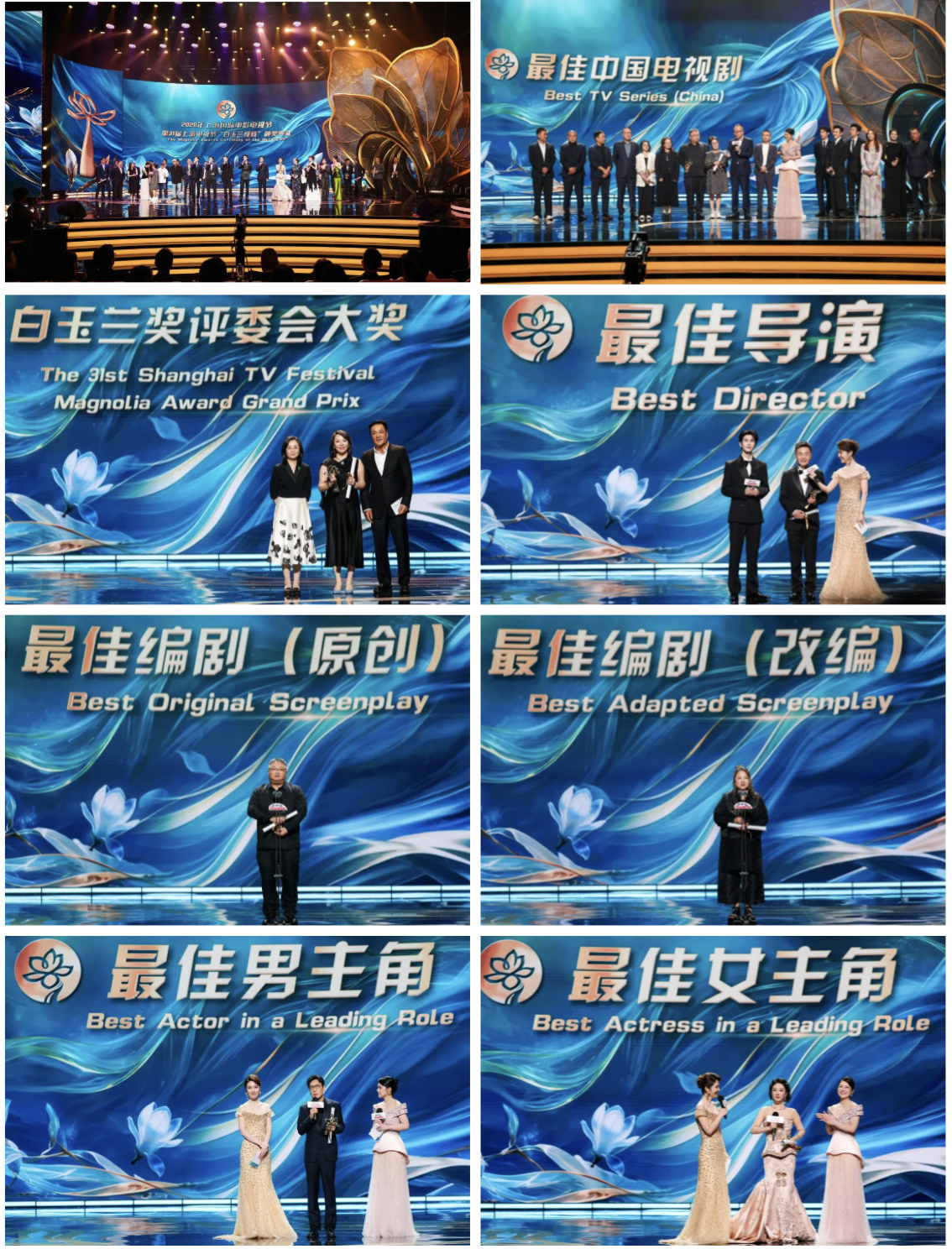
Intense professional competition has always been the most defining hallmark of the Magnolia Awards. Across categories including foreign TV dramas, documentaries, and animation, this year’s selection brought together outstanding audiovisual works from home and abroad, creating a fiercely competitive field where only the very best could rise to the top. After multiple rounds of rigorous evaluation, seventeen Chinese dramas distinguished by both intellectual depth and artistic craftsmanship have made the final cut, earning their place in the TV Drama (China) category for the ultimate prize race. The nominated works span a remarkable variety of genres, from realism to historical epics, period pieces to urban dramas, rural stories to youth narratives, offering a panoramic view of the vibrant and flourishing creative landscape of today’s Chinese screen production. The acting categories are every bit as intense and high-caliber. The Best Actor race brings together a stellar lineup of accomplished performers, with Bai Yu, Guo Jingfei, Hu Ge, Xiao Zhan, and Yu Hewei (listed in alphabetical order by the pinyin of their names) each delivering critically acclaimed performances that put them on a par with one another. The Best Actress category is equally star-studded and compelling, featuring Ren Suxi, Sun Li, Wu Yue, Yang Mi, and Yang Zi (listed in alphabetical order by the pinyin of their names), whose nuanced and emotionally resonant portrayals have sparked widespread discussion and keen anticipation among drama fans across the internet. Together, they have made this year’s acting competitions exceptionally prestigious, with the outcome remaining uncertain until the very end.
The Magnolia Awards have long cherished their founding commitment to professional integrity and impartiality, building a rigorous, high-standard, and globally aligned judging system that sets an authoritative benchmark for the industry with its rigorous and professional judging standards. This year’s jury brings together 15 top-tier film and television professionals from seven countries, including Ireland, Germany, France, Malaysia, Singapore, Italy, and China, a lineup defined by its expertise, critical authority, and international outlook. The jury members for TV drama, in particular, are all seasoned creators who have long worked on the front lines of production, most of them having previously won or been nominated for a Magnolia Award and endowed with finely tuned professional discernment. Acclaimed director Zhang Yongxin has been named Jury President for the TV drama category. Having won the Magnolia Award for Best Director for his work on The Age of Awakening, Zhang now takes on a new role, going from award-winning creator to industry judge, and enriching this year’s evaluation process with a wealth of expertise.
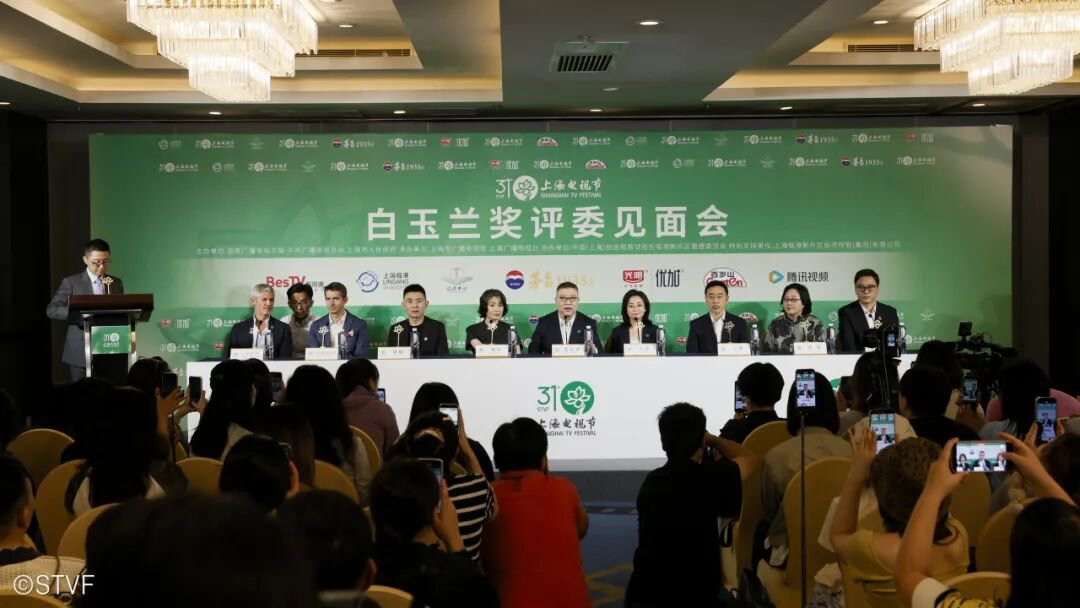
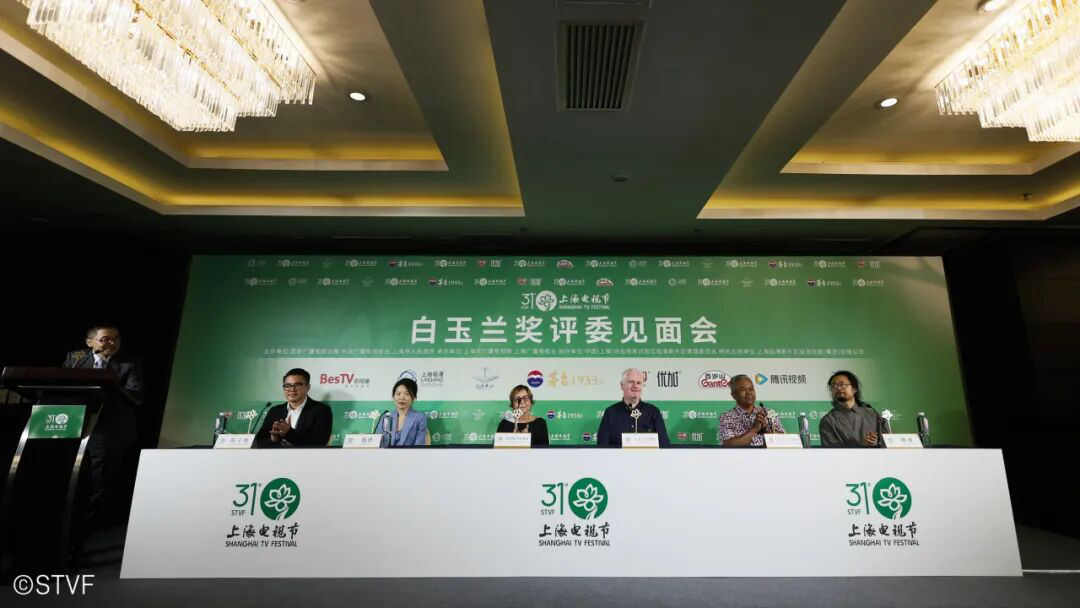
On the selection criteria, Zhang Yongxin emphasized: “truthfulness” is the thread that runs through every stage of selection. Honest creative intent, authentic storytelling, and a genuine connection with viewers are what the Magnolia Awards have always looked for. Jury members Ning Li and Liu Dan from the TV drama category both focused on what makes a performance stand out, stressing that great acting must be rooted in real life and speak directly to the soul. Only by staying grounded in reality can actors create characters that feel vivid, layered, and alive. David McCallum, Jury President for the Animation category and an Irish producer, focused on what animation is truly about, arguing that animation should not be boxed in by age, but should reach audiences of all generations.
The jury places a premium on originality, narrative diversity, and the driving intent behind every work, looking for pieces that come from genuine inner conviction. As for exporting Chinese dramas overseas, Professor Lu Rong from the Communication University of China observed that cultural and language differences are not insurmountable barriers. The real challenge is to identify what resonates with international audiences, both in narrative and in emotion, so that Chinese stories can truly find their way to the world.
Driven by the authority and influence of the Magnolia Awards, China’s film and television industry has continued to evolve and upgrade, ushering in a new era defined by a steady stream of quality productions and a thriving creative landscape. Since 2023, when the Magnolia Awards fully included online audiovisual content in all categories, online audiovisual productions have experienced explosive growth. After two years of industry development, online exclusives now account for a quarter of all submissions in the TV drama (China) category at this year’s festival. Long-form dramas, short-form series, seasonal series, and online feature films are all developing in a balanced manner, each excelling in its own way. Together, they are building a diverse and flourishing ecosystem for domestic TV drama creation, driving China’s TV drama industry into a new phase defined by high quality. The ongoing transformation of the industry is raising the bar for storytelling and creative expression, while also providing a vast stage for young and emerging filmmakers to showcase their talents and make their mark, injecting fresh energy into the sustained growth of the industry.
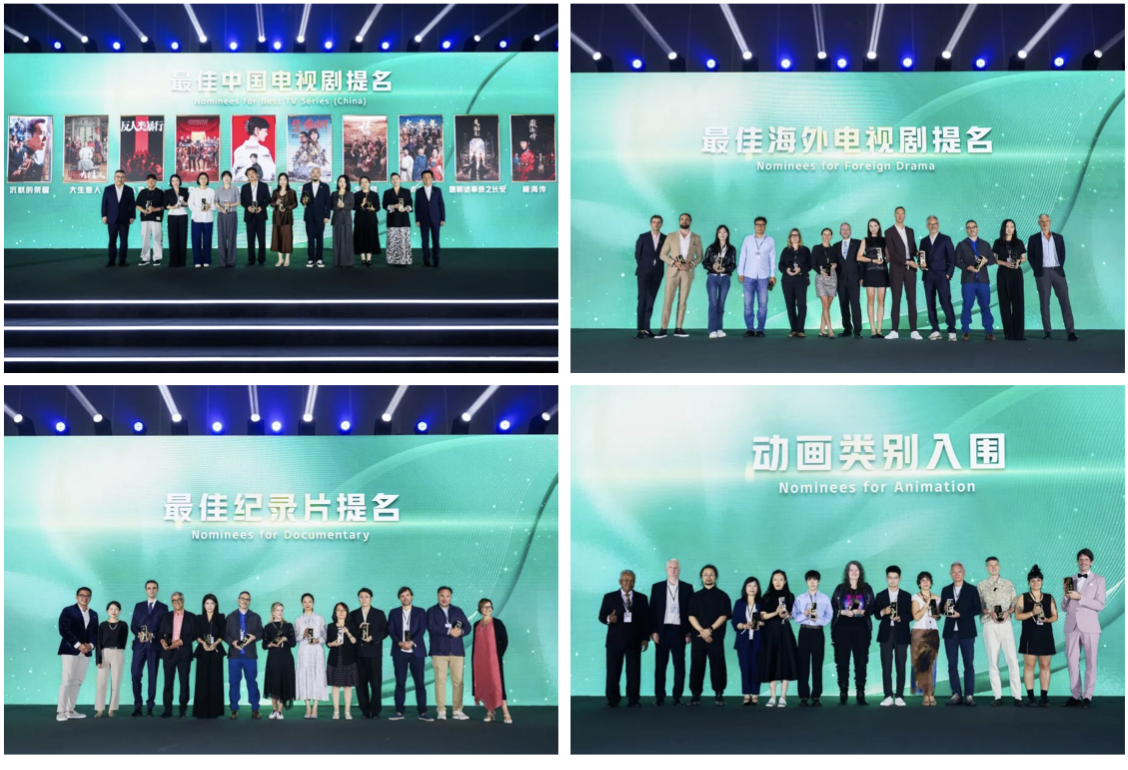
To better align with the new global dynamics of submissions, this year’s Magnolia Awards have significantly upgraded their international cooperation framework, further broadening the industry perspective and expanding the scope of evaluation. While taking further the long-standing partnerships with seasoned selectors from Europe and the Americas, the awards have made a concerted effort to bring in professional practitioners from the Middle East and Latin America. The infusion of diverse regional cultural perspectives has broadened the boundaries of work selection, effectively enriching the cultural dimensions and content forms of the submitted works. The Magnolia Awards have always stayed true to their commitment to professional selection, while embracing global cultural diversity and bringing together outstanding works from around the world. By honoring tradition while embracing innovation, they continue to cement their authority in the industry, elevate the quality of Chinese film and television production, and foster deeper cultural exchange between China and the rest of the world.
The Artistry of Short Drama Storytelling
The Short-Form Drama Sector Gears Up for Quality-Led Industry Transformation
This year’s Shanghai TV Festival has placed a sharp focus on the fast-growing micro-drama sector, championing its evolution through a multi-pronged strategy that combines awards recognition, project incubation, policy guidance, and industry connectivity. The goal is to reshape the creative ecosystem of micro-dramas, steering the sector away from its earlier phase of untamed expansion toward a new era defined by higher quality, sharper precision, and bolder innovation, injecting fresh momentum into the industry’s transformation.
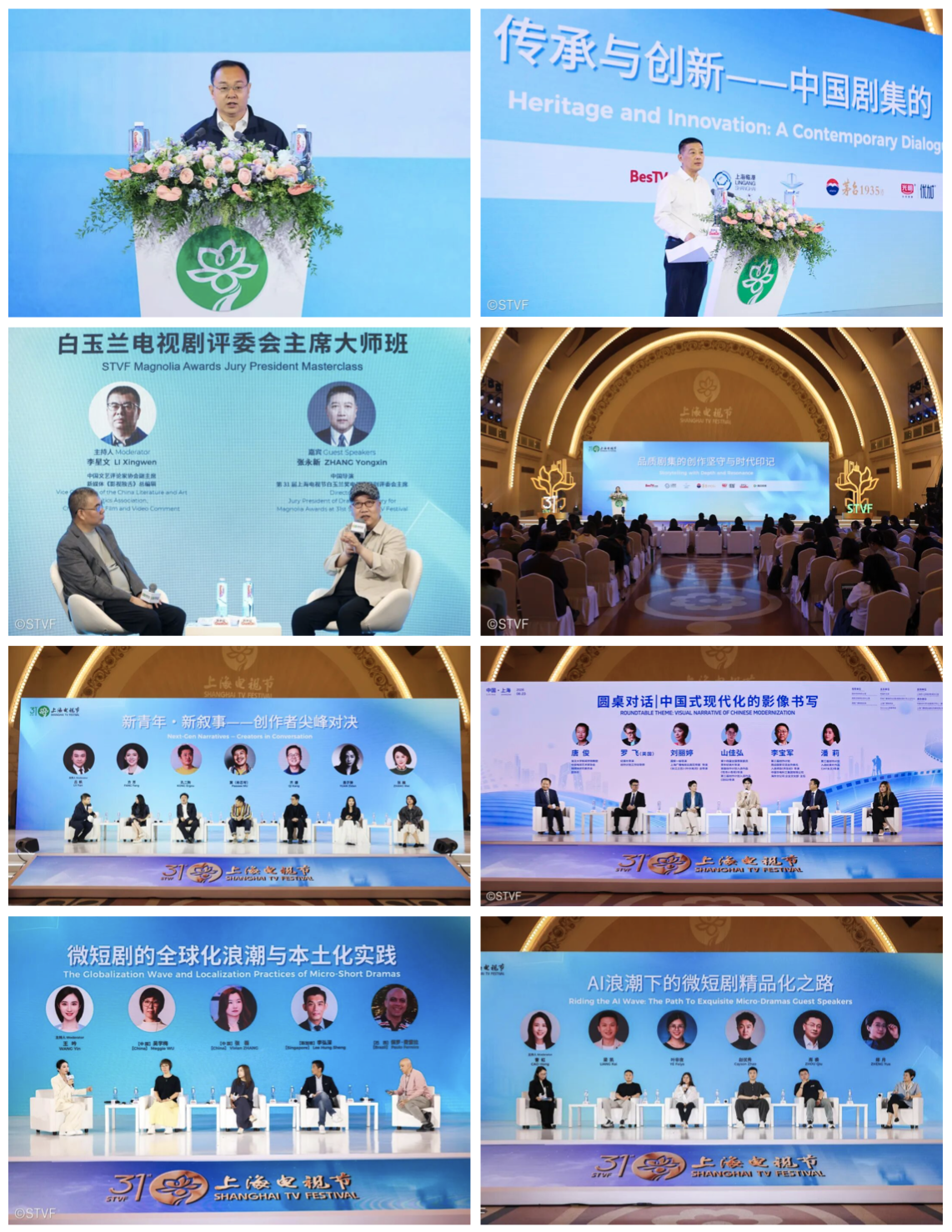
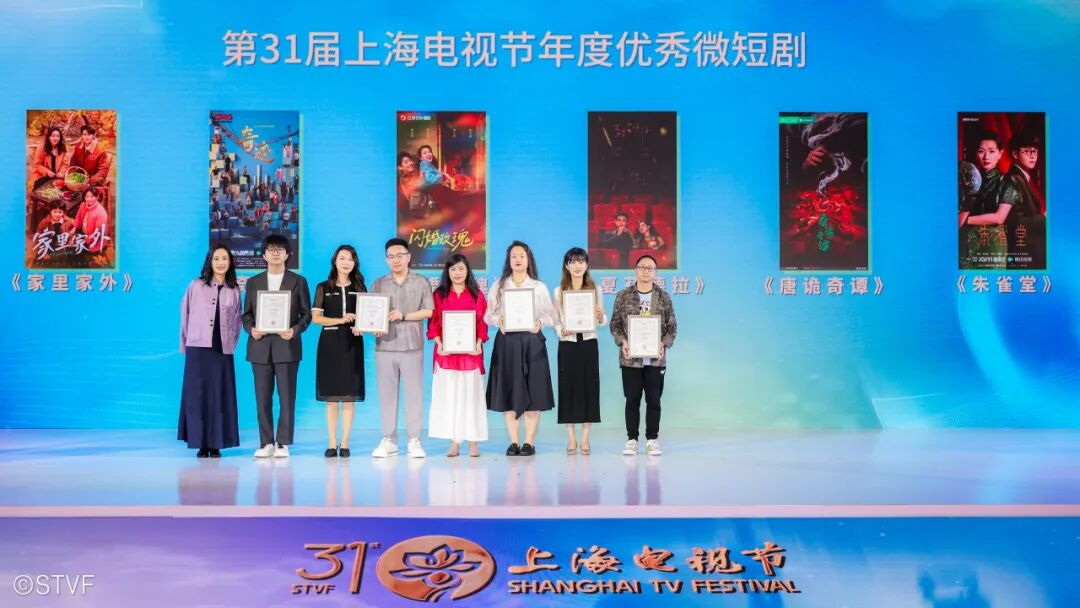
Across this year’s STVFORUM sessions, players from across the industry value chain gathered to envision the future of Chinese film and television production. Highlights included forums such as “Heritage and Innovation: A Contemporary Dialogue on Chinese Dramas”, and “Chinese Stories, Global Buyers: The International Marketplace for Long-Form and Short-Form Drama”. One session, titled “Riding the AI Wave: The Path To Exquisite Micro-Dramas”, offered authoritative recognition and encouragement for outstanding micro-drama works over the past year. At the event, six productions, The Family We Build, The Miracles, A Rose in a Flash Marriage, Fendela, Strange Chronicles of Tang, and Rosefinch, were honored as Outstanding Micro-Dramas of the Year. The selected works span a richly diverse range of genres, from contemporary struggles and period life stories to urban romance, Republican-era suspense, and period costume fantasy, showcasing a spectrum of quality content that sets the standard for the industry.
Quality content is the bedrock of micro-dramas, and great writing is what makes a great micro-drama. In contrast to the homogenized pitfalls that have long plagued the sector—over-the-top plots, one-dimensional characterizations, and forced narrative twists—the works honored this year distinguish themselves through their embrace of Chinese aesthetic expression, their grounding in everyday life, and their heartfelt human resonance, which have led to a comprehensive upgrade in creative quality. Notably, the recognition these six productions have earned also reaffirms a fundamental truth: deep investment in content and a steadfast commitment to compelling screenplay remain the enduring foundation of micro-drama development. The screenwriters behind these works have made it clear that micro-dramas are fully capable of drawing from real life and forging a distinctive creative path of their own. As they put it, “micro-dramas can carry the memory of an era, the warmth of everyday life, and the depth of human emotion. They can be a vehicle for documenting the times, portraying the lives of ordinary people, and offering solace to mankind.” These honors do more than recognize the dedication and craft of the writers. They also send a clear signal to the entire industry: quality must prevail over the lure of clicks and formulas.
To unlock the creative potential of micro-dramas and bridge the gap between literary IP and screen adaptation, the International Film & TV Market, co-hosted by SIFF and STVF, joined forces with Fanqie Novel to launch the “Multiverse Micro-Drama Project” initiative, which has emerged as a key highlight of this year’s festival in empowering the micro-drama sector. Since its launch, the initiative has drawn a strong response from the industry, receiving nearly two hundred high-quality project submissions across a diverse range of formats, including live-action, AIGC, 2D animation, and 3D comic-style animation, significantly expanding the creative possibilities of micro-dramas. The offline events tied to the initiative offered a panoramic view of the sector’s latest explorations in content creation, production, and technological innovation, through project roadshows, award presentations, industry salons, premiere screenings, and professional networking. The projects selected in the first round have already completed production and made their public debut, with plans to officially launch on major audiovisual platforms in the near future. Projects selected in the second round, meanwhile, have been refined through professional roadshows to optimize their creative concepts and their production structures, while a number of AI-driven projects have moved swiftly from concept to production, accelerated by dedicated technical support. Through this series of incubation activities, the festival has built a professional platform where emerging creators can show their work and exchange ideas, effectively transforming promising literary IP into compelling screen content, and opening up new frontiers for micro-drama innovation.
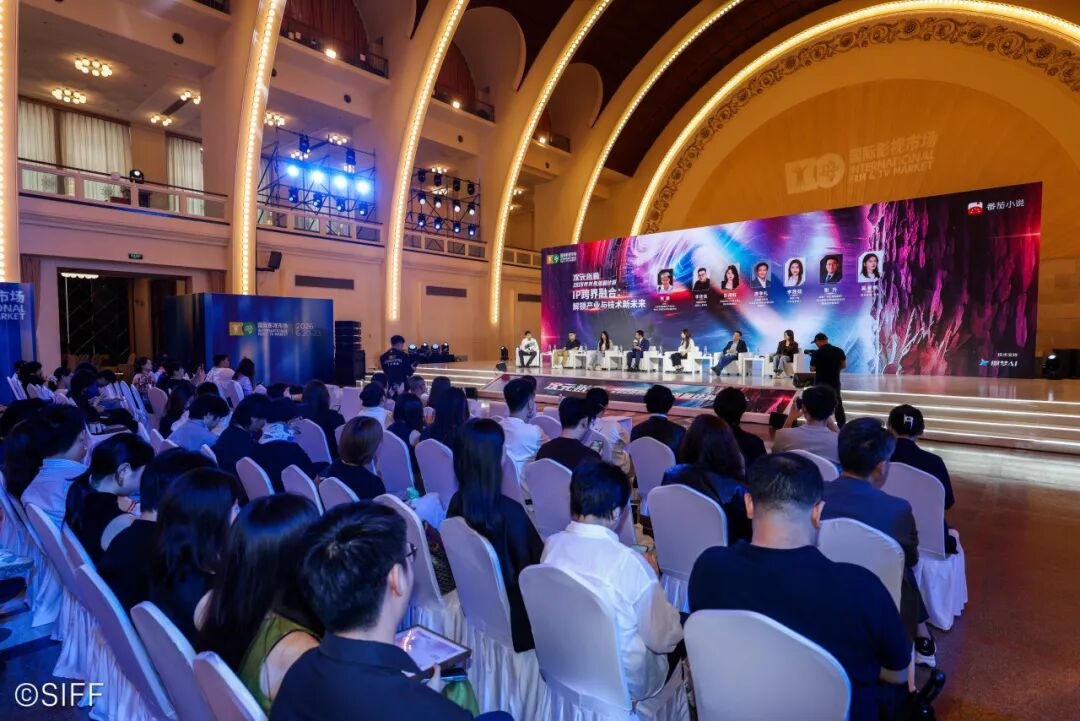
With an eye on the sector’s long-term development, STVF has been bridging official policy support with international industry collaboration, building a new framework for high-quality growth across the micro-drama ecosystem.
This year, Shanghai Municipal Administration of Culture and Tourism officially released the Measures to Accelerate High-Quality Development of AI-empowered Micro-Dramas in Shanghai, widely known as the Eight Shanghai Policies for AI Micro-Dramas, laying out a clear vision for Shanghai to establish itself as a hub for the “AI + micro-drama” sector, and providing solid policy backing for the industry’s intelligent and premium-oriented transformation. Leveraging its platform strengths, the festival has organized a series of events focusing on the deep integration of AI technology with micro-drama creation, including thematic forums on quality AI-driven micro-dramas, dedicated salons for AI-powered comic-style dramas, and global industry workshops, offering an in-depth look at the opportunities and challenges ahead. Industry heavyweights have engaged in thoughtful dialogue on the interplay between AI technology and human creativity, reaffirming that the sector’s growth logic lies in the synergy between new technological tools and time-honed craft. In doing so, the festival has helped ease industry anxieties about technological disruption and charted a clear path forward for the sector’s transformation.
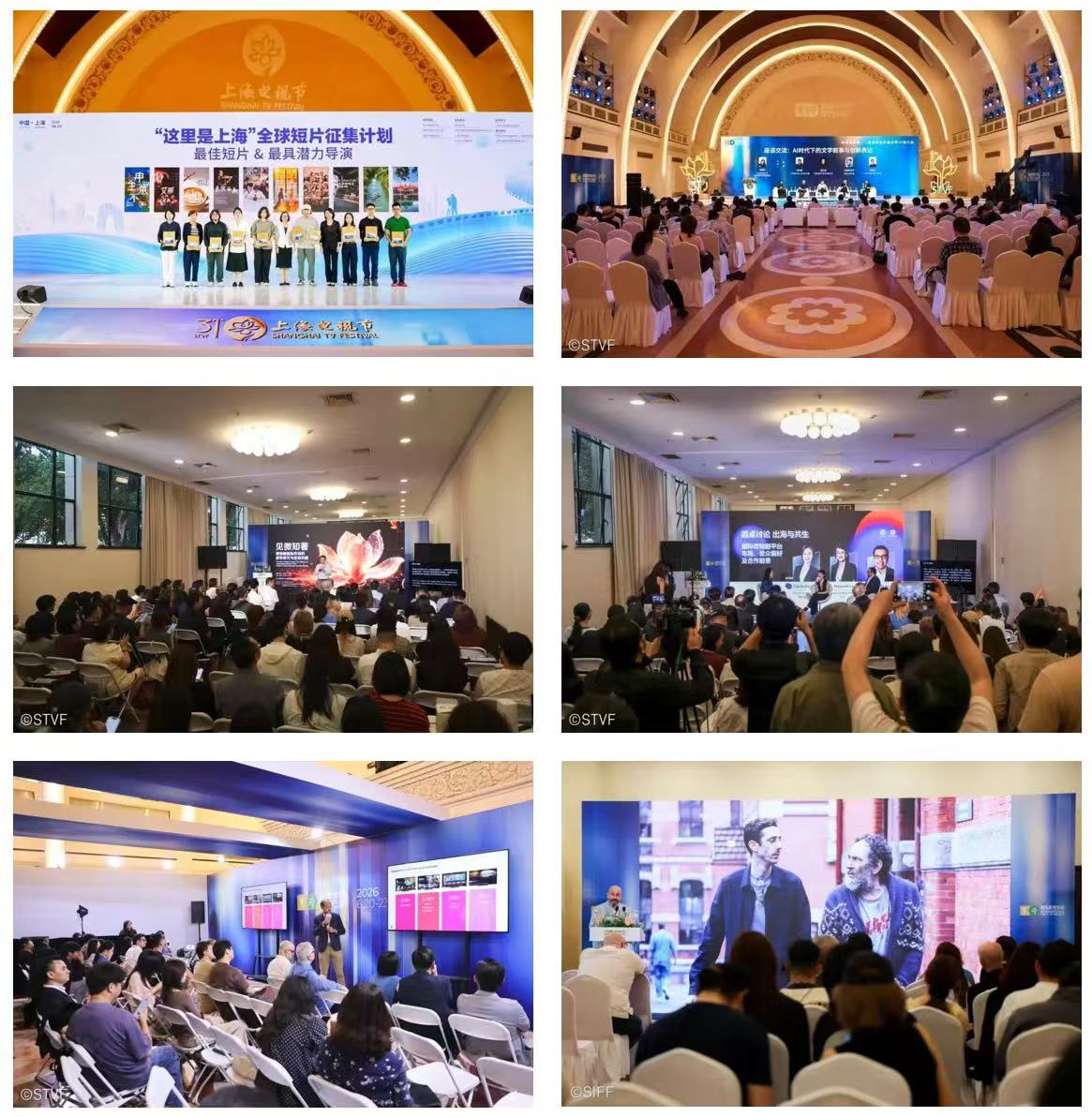
At the same time, the festival gathered industry professionals from Malaysia, India, the United Kingdom, and beyond for cross-border discussions, reaching a clear consensus that the global micro-drama market has shifted from volume-driven expansion to quality-driven upgrade. The conversations identified three key priorities for future growth: genre innovation, youth-oriented storytelling, and localized operations. Through deeper exchanges and collaboration between China and the wider world, Shanghai is well-positioned to streamline the entire micro-drama value chain from scripting and translation to distribution, helping Chinese micro-dramas take root at home while reaching audiences abroad, and cementing the sector’s standing as a global benchmark.
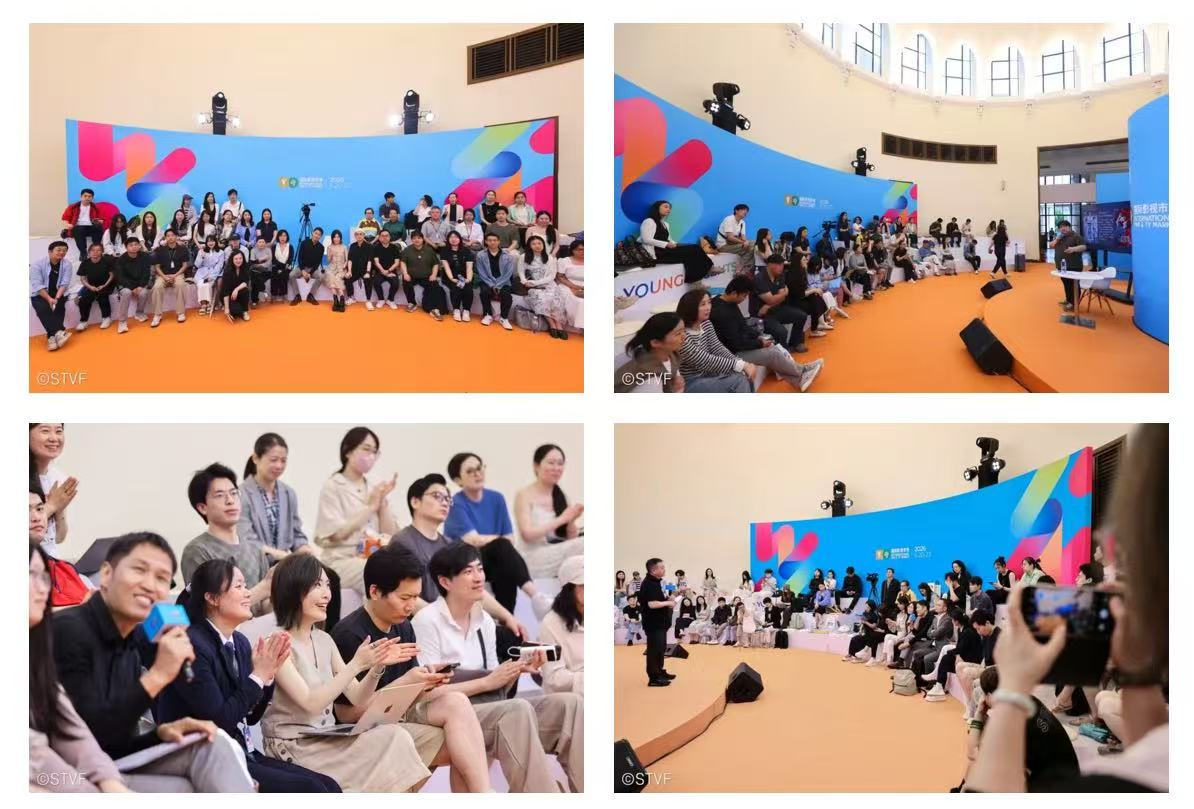
Looking further ahead, STVF has also turned its attention to nurturing the next generation of talent. This year’s festival introduced a major new highlight: “Young Talents Gathering Day”, a dedicated platform designed to empower emerging filmmakers, amplify their creative voices, and connect them with the resources they need to grow. The initiative features a full-fledged program of youth-focused events, built around three core pillars: “Open Mic” for bold ideas, hands-on workshops for practical skill-building, and themed roundtable discussions for in-depth dialogue. These sessions tackled some of the most pressing topics in the industry today, including narrative innovation, AIGC applications, and the craft of Chinese drama and short-form production. Two highly popular workshops steered clear of theoretical lectures, instead drawing on real-world production cases to break down the creative process step by step, directly addressing the pain points faced by young creators and helping them embrace new technologies while honing their foundational skills. Through international collaboration, platform-driven innovation, and youth-focused development, this year’s festival has presented a panoramic picture of China’s film and television sector—open, innovative, and full of upward momentum.
Across Continents, Beyond Boundaries
Two-Way Exchange Powers a Global Audiovisual Network
STVF has always maintained an open and inclusive spirit as a gateway for audiovisual exchange between China and the rest of the world, building a bridge for global film and television cooperation grounded in close collaboration and shared benefit.
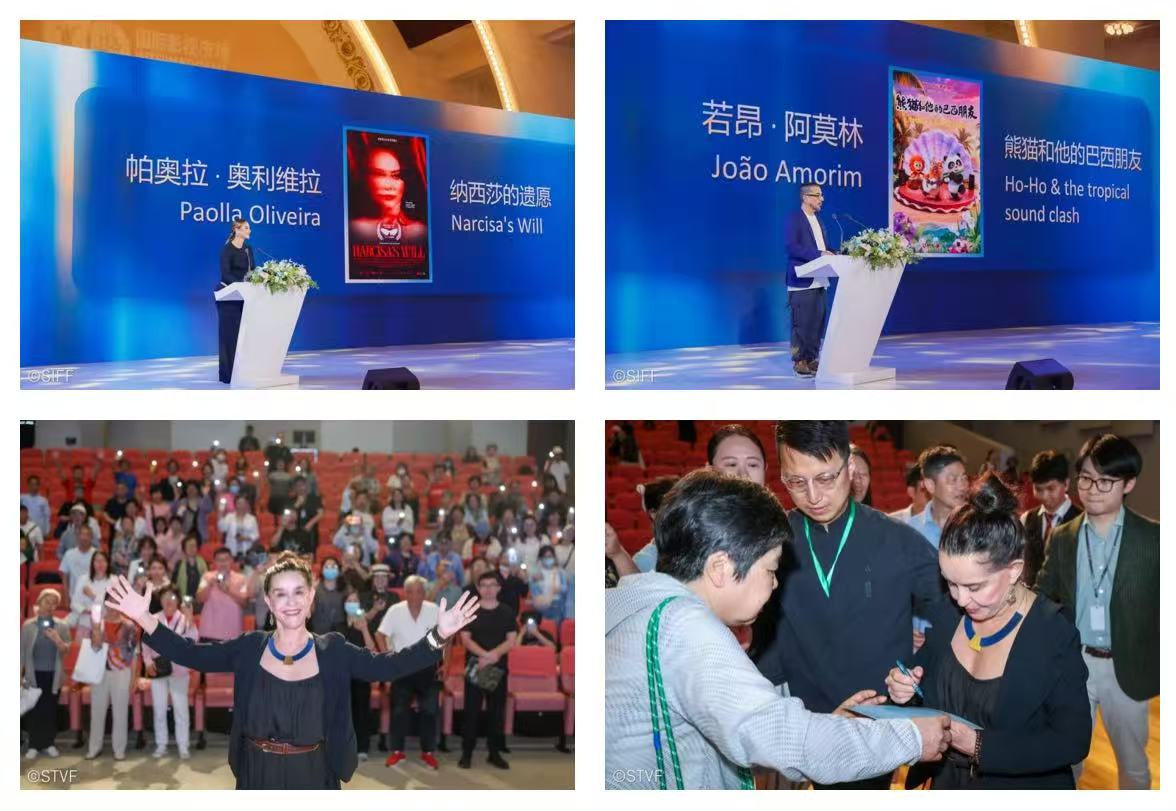
As 2026 marks the China-Brazil Year of Culture, this year’s festival has seized the moment to craft a dedicated Brazil-focused audiovisual exchange program, setting a benchmark for cross-civilizational dialogue. A special “Focus Brazil” screening section has been curated, featuring a visit from Paolla Oliveira, a member of the Brazilian arts delegation and a celebrated actress whose film The Last Will of Narcisa is included in the screening. The China-Brazil co-produced animated series Panda and His Brazilian Friends unveiled its new trailer on site, with director João Amorim offering a detailed walkthrough of the creative journey behind the project. Meanwhile, the festival has also screened a restored classic of Brazilian TV drama, Escrava Isaura, and invited Lucélia Santos, who played the lead role of Isaura, to join in-person events in China. Through the power of this beloved screen classic, the festival has brought the peoples of China and Brazil closer together, while dedicated exchange sessions have facilitated targeted connections between film and television enterprises from both countries, strengthening the foundation for bilateral cultural and industrial collaboration.
The International Film & TV Market, powered by the twin engines of “exhibition and showcasing” and “industry events”, has built a modern trading system that encompasses East and West and connects the global industry, with its clustering effect and international reach continuing to grow. This year, the market spans 12,801 square meters, hosting 117 domestic exhibitors that represent China’s leading production houses, alongside 75 international exhibitors from 15 countries and regions seeking collaboration opportunities, a 50% increase over last year’s 50 exhibitors from 13 countries and regions.
The market has also introduced an innovative “dual-venue” operational model, leveraging two dedicated platforms: the “Chinese New Drama Pavilion” and the “International Buyers Club”. Together, they have further opened up the pathway for Chinese film and television content to reach global audiences, creating a more professional and refined system for international distribution.
The “Chinese New Drama Pavilion” brings together major new titles from China’s top production companies. The “International Buyers Club”, meanwhile, has invited dozens of overseas acquisition agencies from countries including the United Arab Emirates, Brazil, France, Canada, Malaysia, Indonesia, and the United Kingdom, all of whom have a track record of acquiring Chinese productions, to participate, creating a direct pipeline between domestic rights holders and global markets.
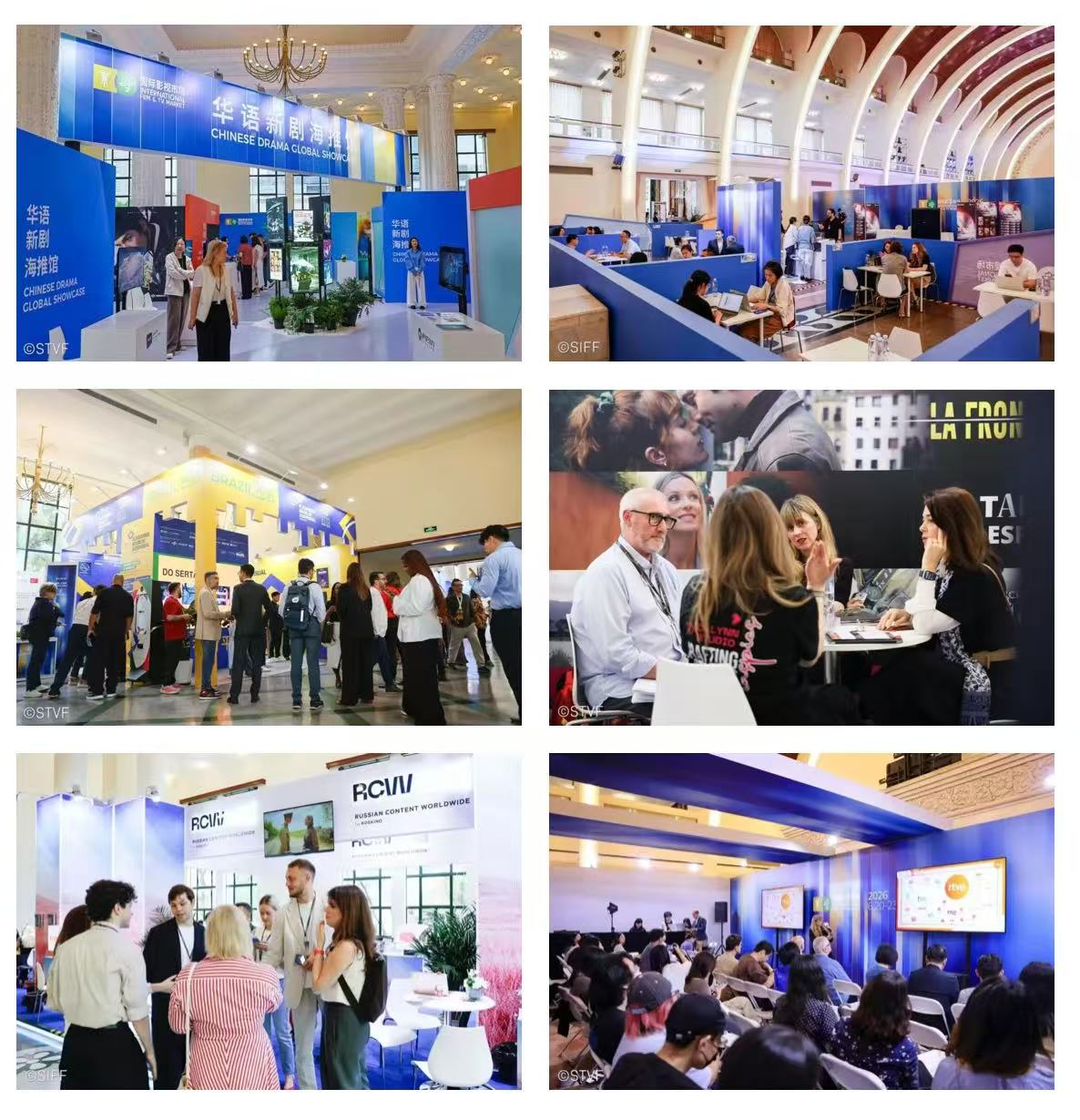
Statistics show that this year’s “International Buyers Club” has drawn over 1,600 buyers from 41 countries and regions, spanning a wide range of sectors: feature films, TV dramas, micro-dramas, animation, documentaries, IP development, variety shows, co-productions, and international collaboration projects. The sheer diversity and breadth of buyer interest has become what set this year’s market apart.
The International Film & TV Market has rolled out exclusive business matching sessions across the key verticals of TV dramas, films, and micro-dramas, building an efficient and targeted platform for audiovisual trade. It has also enhanced support services for international guests, introduced industry-specific salons, and invited overseas organizations to take part in the full spectrum of market activities, connecting the entire industry chain from development and selection to distribution. In parallel, the market has curated tailored cultural tourism routes, taking international guests on visits to Shanghai’s landmark cultural venues, offering them an immersive experience of both traditional Chinese culture and the city’s unique charm, driving the global reach of Chinese audiovisual content on multiple fronts.
Where Screen Culture Meets City Life
Diverse Offline Events Unleash Cultural Vitality for the People
STVF has long been deeply committed to the vision of “a city for the people”, creating a range of cultural and tourism activities that are open, engaging, and rewarding for everyone. By bringing quality screen arts out of professional venues and into the city’s streets and neighborhoods, the festival has infused more humanity warmth into Shanghai’s film and television tourism landscape.
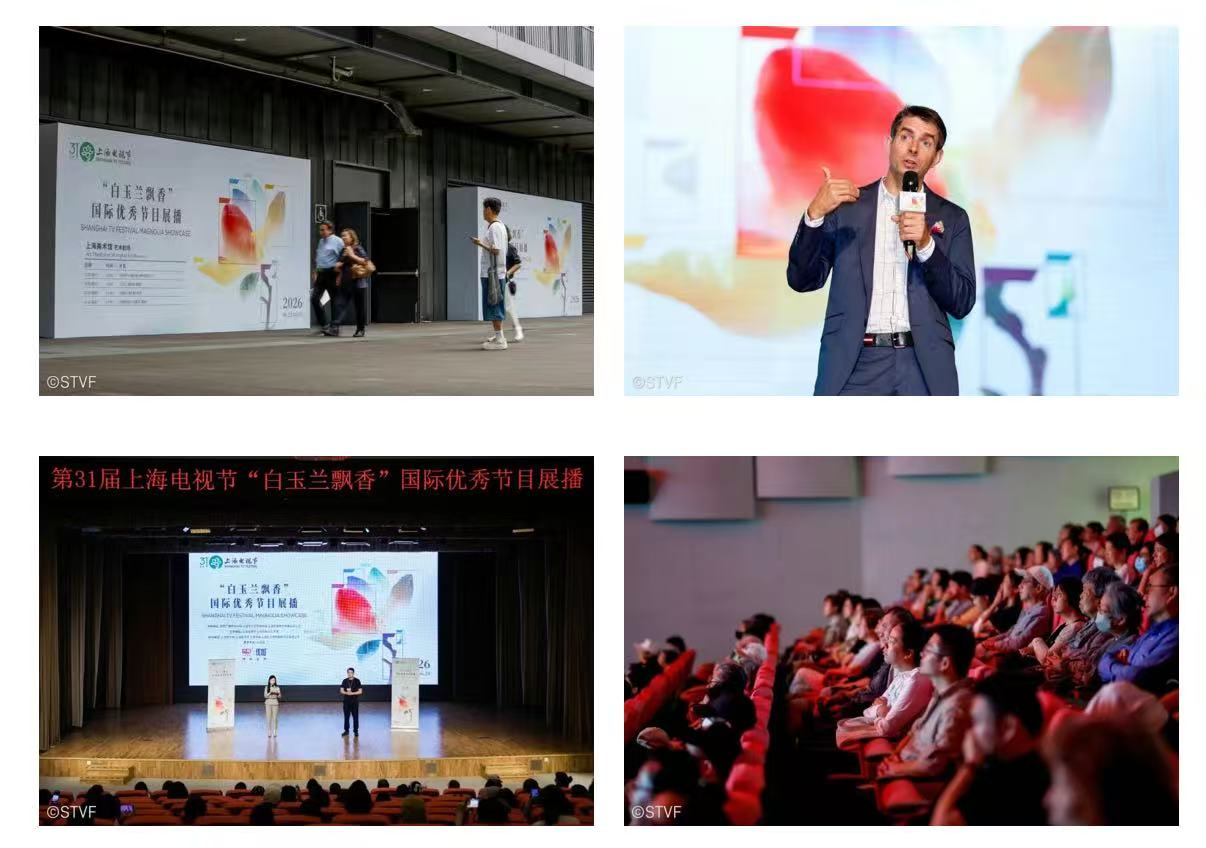
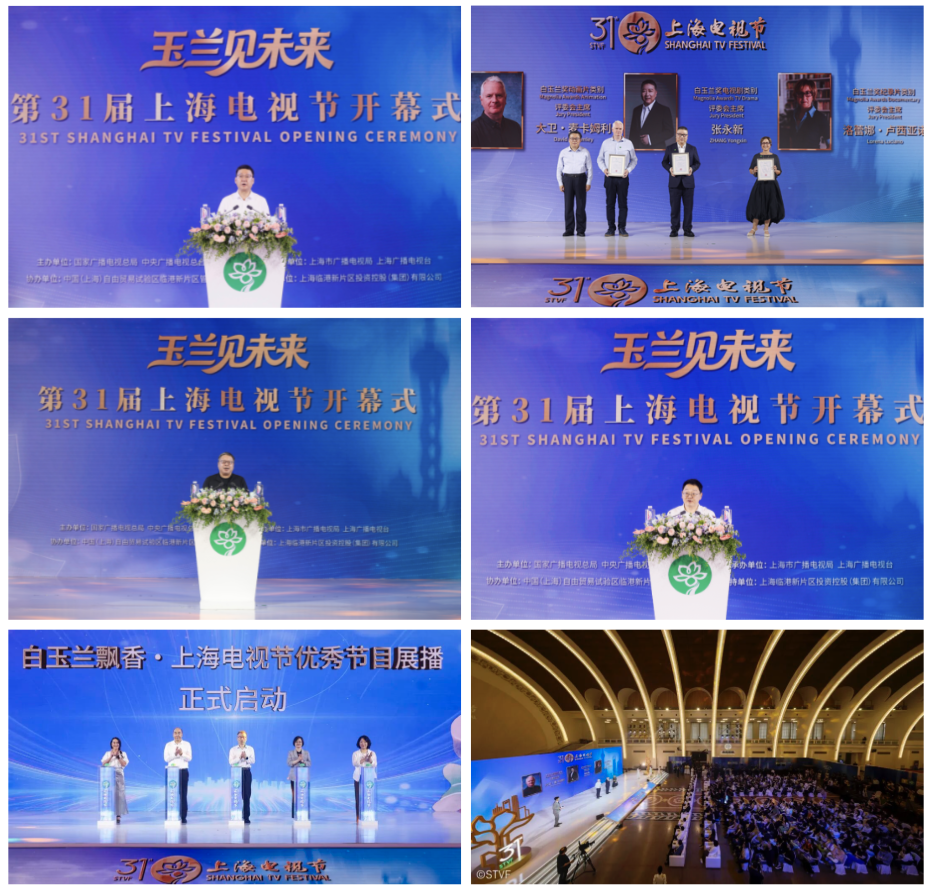
This year, the festival has continued to deepen its public cultural initiatives, transforming fine audiovisual content into accessible cultural benefits for residents, and making public screenings as a regular and cherished part of the city’s cultural life. At the festival’s opening ceremony, International TV Showcase was officially launched, marking a celebratory feast for drama lovers and audiences alike. Outstanding television works from both China and around the world will reach wider audiences through three key channels: television broadcasts, online streaming platforms, and offline public screenings. Stories from every corner of the globe converge on Shanghai’s screens, nurturing the legacy of Magnolia Awards, enabling it to bloom radiantly and thrive through the ages.
Building on the signature “International TV Showcase” and “Offline Public Screening”, the festival has partnered with cultural venues across the city to set up over a dozen screening locations, offering free access to dozens of carefully selected domestic and international productions. The initiative continues to expand the reach of public cultural services, ensuring that the cultural rights of Shanghai’s residents are fully honored. At the same time, the festival has joined forces with major broadcast and television platforms to launch online screening channels, featuring a curated selection of outstanding entries from this year’s competition alongside premium international content. Together, these online and offline efforts deliver a citywide cultural experience that truly benefits everyone.
The program has been thoughtfully tailored to the tastes of audiences across all ages and walks of life, featuring six thematic screening sections that covering everything from family-friendly fun to nature and ecology, technology and humanism, and cross-cultural exchange. Select screenings also come with meet-and-greet sessions, giving local residents the chance to talk directly with filmmakers and gain a deeper appreciation of the creative process. In these ways, the festival brings high-quality screen arts down to the grassroots, weaving them seamlessly into the fabric of everyday life.
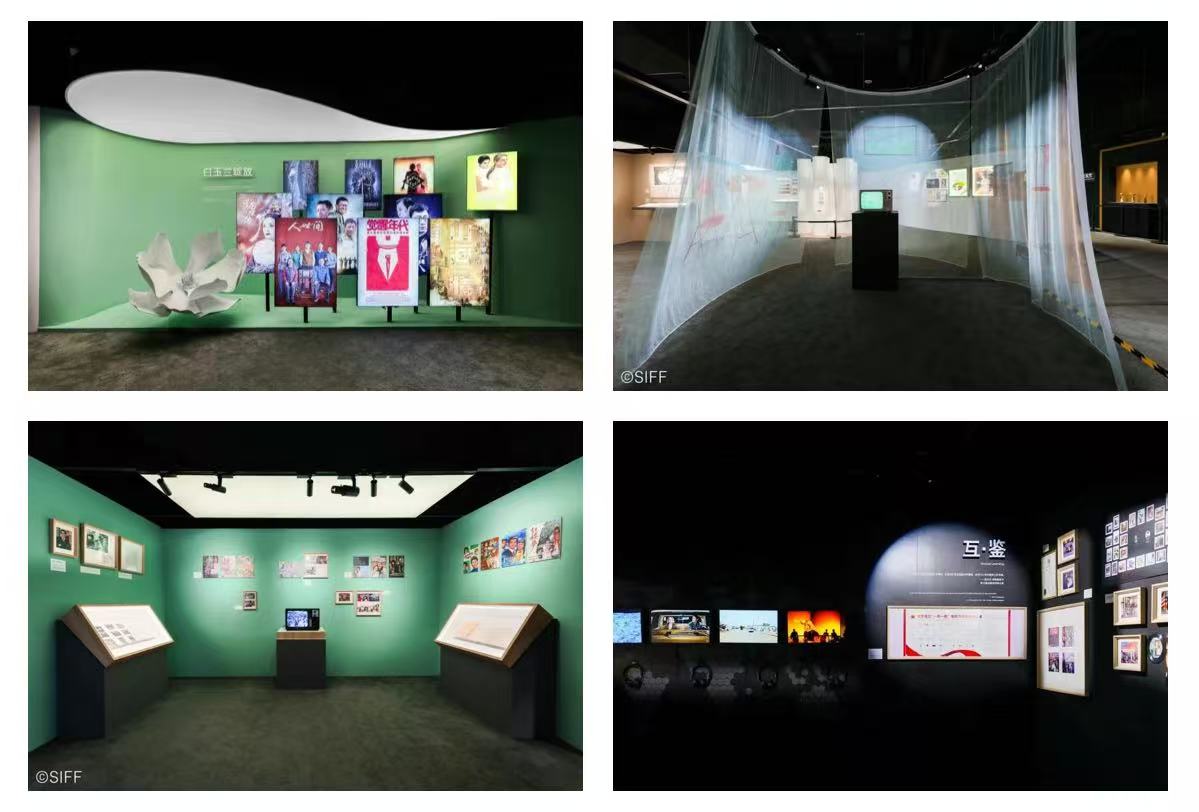
This year, SIFF also unveiled its first-ever themed exhibition at Shanghai Cinema, titled “Stellar Splendor and Urban Pulse”. The exhibition presented over 500 manuscripts, photographs, video materials, and artifacts for the first time, including never-before-seen behind-the-scenes footage from the festival’s history and production props from classic films. Visitors could soak up a nostalgic atmosphere by peering at an old-fashioned television set tucked inside a vintage mosquito net, or trace the festival’s early years, from its origins as the “Shanghai International Friendship Cities TV Festival” in 1986, through rare archival items such as official approval documents, commemorative stamps and medals, and invitation letters. Also on display were production stills from one of China’s earliest TV series, Tsunami; the handwritten set script for Sinful Debt, directed by Huang Shuqin; working photos from Happy Big Wheel, one of Shanghai’s early variety shows; and archival materials from beloved imported series that evoke a shared sense of nostalgia for an entire generation. Among the treasures was an original Sony tape recording of "Song and Smile", which once served as the festival’s anthem.
This year’s festival also pushed the boundaries of cultural tourism integration, bringing a “Drama Street Carnival” to Lingang. The carnival, held at the Mobius Park in Lingang, was open to the public free of charge. It offered up a rich tapestry of experiences: immersive walk-throughs of popular film and TV IPs, hands-on activities rooted in intangible cultural heritage, open-air public screenings, specialty market stalls, live performances, and lucky draws. The result was a new kind of outdoor cultural tourism destination, immersive, open to all ages, and alive with the spirit of the screen. Seven themed zones were carefully designed around hit series such as Legend of the Magnate, Strange Tales of Tang Dynasty III: To Chang’an, The Queen of News 2, and Legend of Zang Hai. Visitors could step into faithfully recreated scenes from these shows, view original props, and try their hand at a range of interactive experiences, from traditional mortise-and-tenon woodworking to AI anchor simulations and period-style costume play. These offerings gave residents a chance to move beyond passive home viewing and step directly into the worlds of their favorite dramas. Adding to the appeal was a curated exhibition of creative merchandise from popular Chinese animated IPs, ensuring that visitors of all ages and interests found something to enjoy.
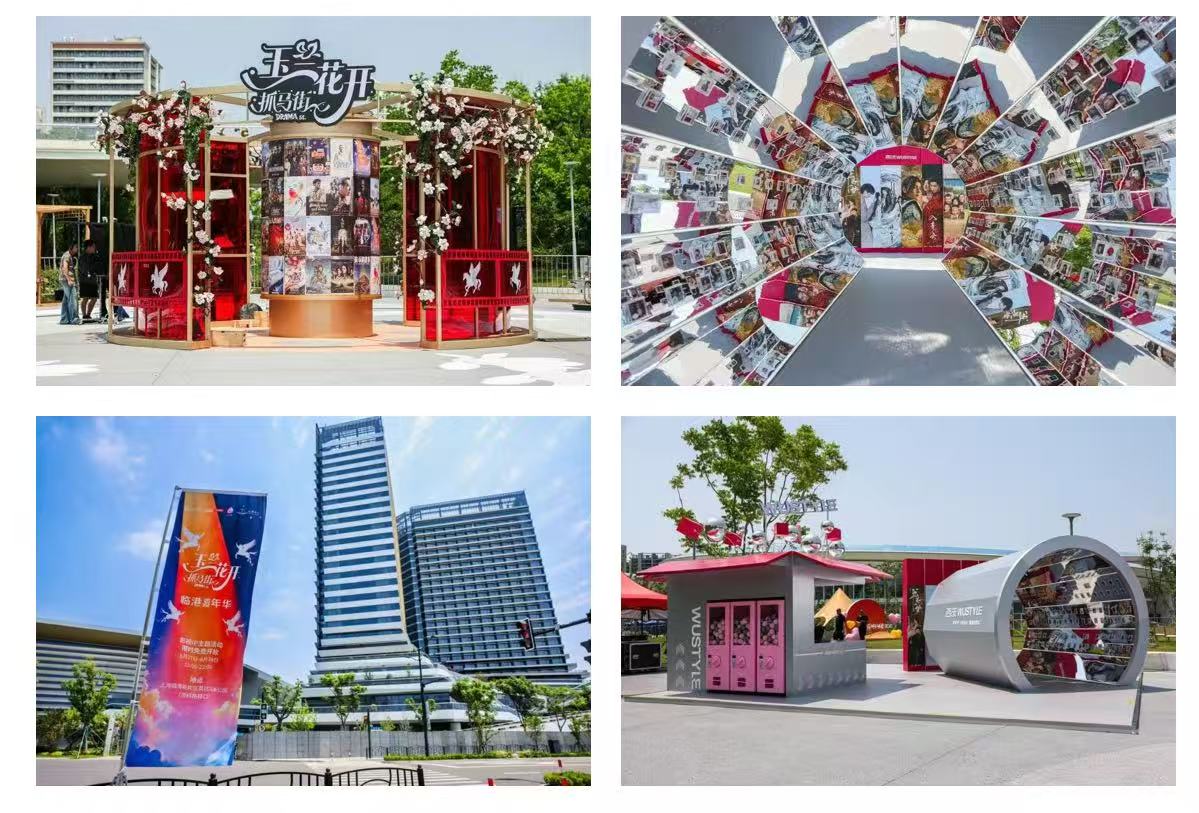
The carnival was further enlivened by open-air screenings under the stars, trendy market stalls, and live band performances, with interactive perks and a guaranteed prize for every participant, creating a dynamic urban leisure scene that kept the energy going from day to night. Convenient transport links, flexible visiting hours, and no barriers to entry made the carnival an ideal destination for families, young people, and even commuters looking for a dose of fun. This event marked a seamless fusion of film and TV culture, outdoor tourism, commercial bazaars, and intangible cultural heritage experiences, adding a fresh new dimension to Shanghai’s public cultural offerings. By embedding screen culture into the city’s public spaces and weaving it into the rhythms of everyday life, the festival continues to unleash the cultural vitality of the city through a rich array of offline events, showcasing the warm and vibrant character of Shanghai, a city that truly lives and breathes film and television.
It is also worth noting that the “Drama Street Carnival” kicked off right after the Magnolia Awards Ceremony, amplifying the cultural resonance of the festival and keeping the excitement of this citywide screen celebration alive beyond the awards night.
 State Administration of Radio and Television